From business need to working software

Custom software development built around your business.

Build business applications, launch SaaS products, and connect your systems—with support from initial planning through ongoing improvement.

  • Since 2001Building software for businesses
  • From first releaseTo ongoing product development
  • Alongside your teamBusiness and engineering collaboration

What we can build

Start with the work
your software needs to do.

Build a new product, improve an existing system in stages, or connect the tools you already use. Find the workflows closest to yours.

01 / BUSINESS SYSTEMS

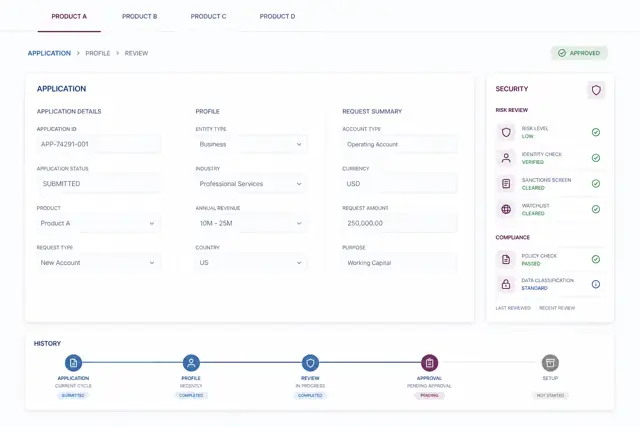
CRM, ERP & business operations

Keep customer records, inventory, orders and finance connected. Extend a platform you already use or build the workflow it is missing.

  • CRM, customer portals & service workflows
  • ERP, inventory, purchasing & invoicing
  • APIs, data migration & operational reporting
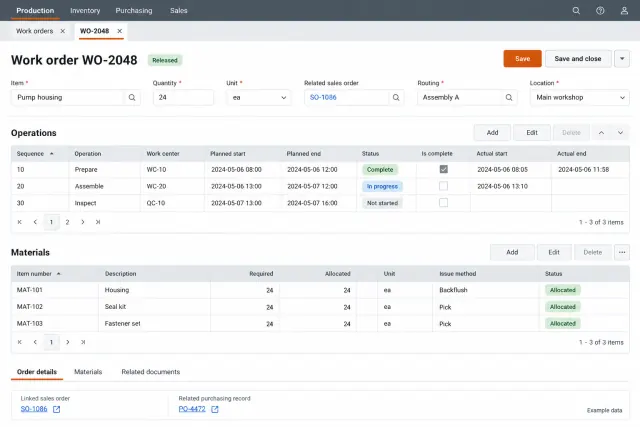
See a manufacturing ERP example
02 / COMMERCE & SERVICE

E-commerce, booking & hotel operations

Connect the customer journey to daily operations—from checkout or a reservation to fulfillment, staff tasks and payment.

  • B2B/B2C storefronts & marketplaces
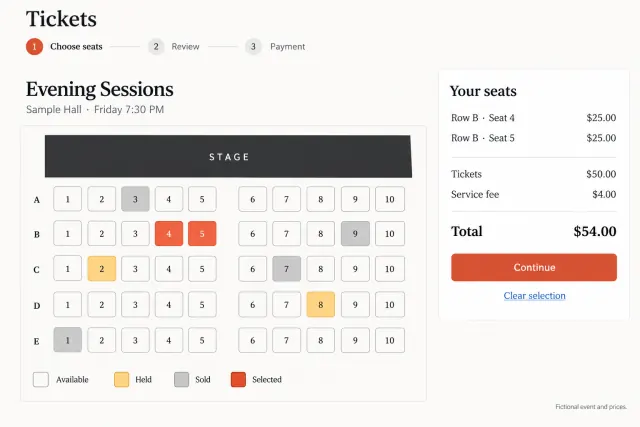
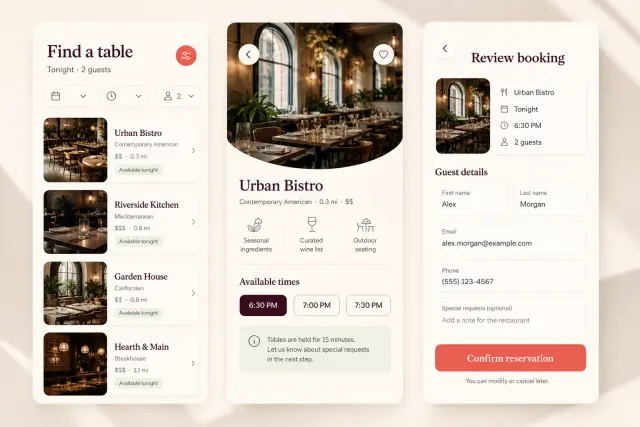
  • Booking, ticketing & appointment scheduling
  • Hotel reservations, room status & housekeeping
See hotel operations in practice
03 / APPLIED AI

AI agents & workflow automation

Put company knowledge and connected tools to work in support, document processing and internal operations, with clear handoffs to people.

  • Knowledge assistants & AI service agents
  • CRM/ERP actions with human approval
  • LLM & token cost optimization

For AI running costs, review model choice, context size and repeated calls against quality, latency and budget.

See an AI service agent example
04 / DIGITAL PRODUCTS

SaaS, web & mobile products

Turn a product idea or specialist workflow into a usable first release, then improve it with customer feedback.

  • SaaS platforms, subscriptions & member portals
  • Web/mobile MVPs & field-service apps
  • VR content platforms & 3D product tools
See a VR platform example
05 / CONNECTED PRODUCTS

IoT, robotics & connected devices

Connect sensors, equipment and field teams to the software that runs the business. Define what belongs on the device, in the application and in the cloud.

See a connected equipment example
  • IoT monitoring, telemetry & equipment dashboards
  • Device APIs, operator interfaces & field apps
  • Computer vision & inspection workflows

Exploring drone, robotic-arm or AR/VR applications? Start with a feasibility review of your hardware, APIs and operating environment.

Selected work

Different businesses.
Software shaped to fit.

See how a business need became a working product, a connected workflow, or a more maintainable system.

How we work

Make the next step clear.
Keep progress visible.

Scope, budget, and delivery dates involve tradeoffs. We make those decisions explicit and review them with you as the work develops.

  1. Understand the workflow

    Map the users, business rules, existing systems, and constraints before deciding what to build.

    Shared starting pointGoals, dependencies, and open questions

  2. Agree the first release

    Prioritize the essential work, define acceptance criteria, and agree how scope changes will be assessed.

    Practical delivery planPriorities, estimates, and milestones

  3. Review working software

    Use regular demos, testing, and feedback to check progress and adjust upcoming work together.

    Visible progressWorking increments and a current backlog

  4. Launch and keep improving

    Plan deployment, documentation, and handover, then agree the support and improvement work that follows.

    Continuity after launchRelease plan, handover, and next priorities

Development on your platforms

Build on the platforms
you already use.

We develop custom apps, extensions, and integrations that connect your business systems, e-commerce operations, and cloud services around the way your teams work.

  • Dynamics 365
  • SharePoint
  • Odoo
  • Salesforce
  • NetSuite
  • Shopify
  • Magento
  • AWS
  • Azure
  • Google Cloud

Business systems & collaboration

Customize Dynamics 365, Salesforce, Odoo, and NetSuite workflows, and extend SharePoint collaboration. Build approval flows and portals, then connect sales, finance, and operations data.

E-commerce & connected operations

Build Shopify apps and Magento extensions, tailor storefront journeys, and connect product, inventory, order, and fulfillment data with your ERP and CRM systems.

Cloud applications & data

Develop applications, APIs, and data services on AWS, Azure, or Google Cloud. Plan identity, deployment, monitoring, and ongoing operating costs alongside the software.

Ways to get started

Start from where you are.

You do not need a finished specification to begin. Bring the business problem, the current application, or a well-defined piece of work.

A BUSINESS PROBLEM

Clarify what to build

Walk us through the workflow and what is getting in the way. We can help identify priorities, constraints, and the questions to resolve first.

AN EXISTING APPLICATION

Plan the next improvement

Review the codebase, architecture, and delivery needs together. Agree a focused change before taking on a wider modernization program.

A DEFINED PIECE OF WORK

Try working together

Discuss a one-week trial with an agreed task, access, and success criteria. Confirm its scope and terms before the work begins.

Tell us what you have in mind. We’ll help identify a useful first step.Discuss your project

Built for the long term

The code is only
part of the handover.

How the software is owned, accessed, maintained, and supported should be clear from the start.

01

Ownership and continuity

Agree source-code ownership, repository access, documentation, and handover in the engagement terms. Keep the knowledge needed to operate and evolve the software accessible to your team.

02

Access and confidentiality

Set confidentiality and access requirements before sharing systems or data. Define environment permissions, credential handling, and any security or compliance requirements for the project.

03

Support beyond the release

Plan for monitoring, maintenance, and future changes. Agree support responsibilities and response expectations to match how the application is used.

04

AI with an engineering purpose

AI features belong in a product when they solve a defined problem. AI-assisted development is a separate tool: code still needs engineering review, testing, and agreed data-use boundaries.

Before we start

Questions worth
asking early.

A few practical details about scope, ownership, and working together.

Do we need a detailed specification?

No. Start with the business problem, who will use the software, and the systems or constraints involved. We can help turn that into priorities and a scope for the first release. Existing requirements, process maps, or example screens are useful if you have them.

Should we build custom software or adapt an existing platform?

That depends on the fit. An existing platform may cover much of the requirement; custom development can address the workflows, integrations, or product features it does not. We can review both options before recommending what to build, configure, or connect.

How do you manage the budget and delivery timeline?

We agree priorities, estimates, milestones, and acceptance criteria before delivery. Regular reviews make progress and remaining work visible. When requirements change, we discuss the effect on cost and timing and agree what to add, defer, or remove before proceeding.

What determines the cost of a custom software project?

The main factors are workflow complexity, integrations, data migration, security requirements, and the scope of the first release. We need to understand those factors before providing a useful estimate. A smaller initial release can help test assumptions before committing to a larger build.

Can you work with our existing software and engineering team?

Yes. We can join an existing development effort, build a defined component, or help modernize an application. We first review the codebase, environments, dependencies, and working practices so responsibilities and access are clear.

Who owns the code, and how is confidential information handled?

Code ownership, intellectual property, confidentiality, and handover should be recorded in the engagement agreement. We can arrange an NDA before detailed discussions and agree repository access, permissions, and data-handling requirements before development begins.

What can we evaluate during a one-week trial?

A trial works best with a small, agreed task that lets you assess communication, engineering judgment, and delivery. It requires suitable access and a clear definition of success. We confirm the task, deliverables, and trial terms with you in advance.

Can you support the software after launch?

Yes. Ongoing work can include maintenance, troubleshooting, feature development, and changes to connected systems. The support scope, availability, and response expectations are agreed for the application and your operating needs.

Get in touch

Ready to build software that fits your business?

Tell us what you need to build, modernize, automate, or augment with AI. We can start with a focused discussion or a no-risk 1-week trial.

“A fantastic company to work with.” After the initial rapid development project, American Shipping Co. kept two Shinetech developers embedded for nearly four years, supporting internal and external tools and new AI initiatives.
Marc Greenberg testimonial portrait Marc GreenbergCEO, American Shipping Co. - 5-star Google Review

Response within 1 business day.