Self-service specification
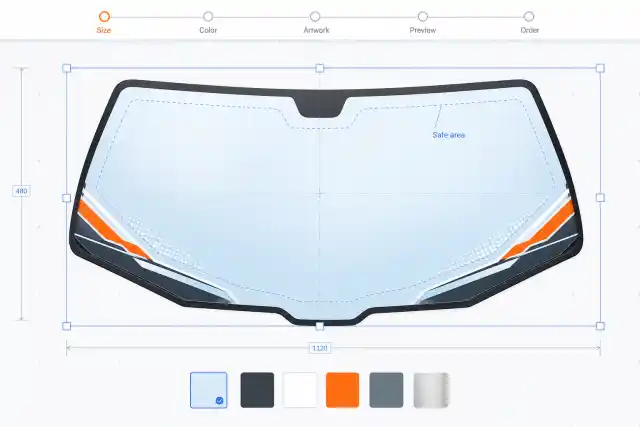
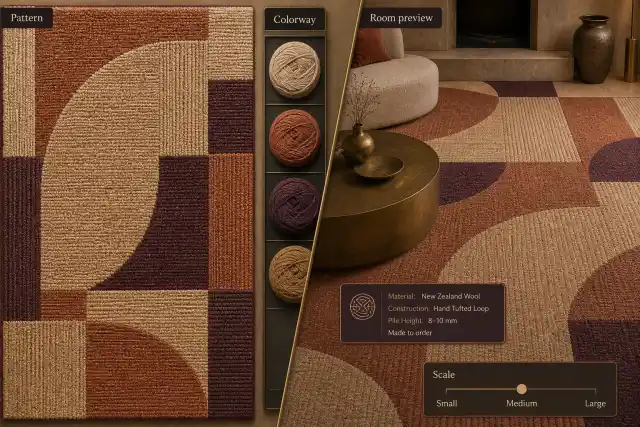
Customers could select material, dimensions, and processing online.


Manufacturing · Made-to-order panel processing
A panel-processing business moved material, dimension, and machining choices online, connecting the customer’s order to production data and machine-readable files.
The business context
A business supplying furniture, panels, and processing services handled orders through offline conversations. Customers needed to communicate the material, dimensions, and machining they wanted. The factory then needed those choices in a form it could use for production.
The planned web application had to do more than accept a payment or collect a contact form. It needed to let a customer select a panel, specify the requested work, and see a preview, then carry the resulting order data toward the numerical-control machinery used in the workshop. Shinetech helped connect that commercial interaction with production preparation.
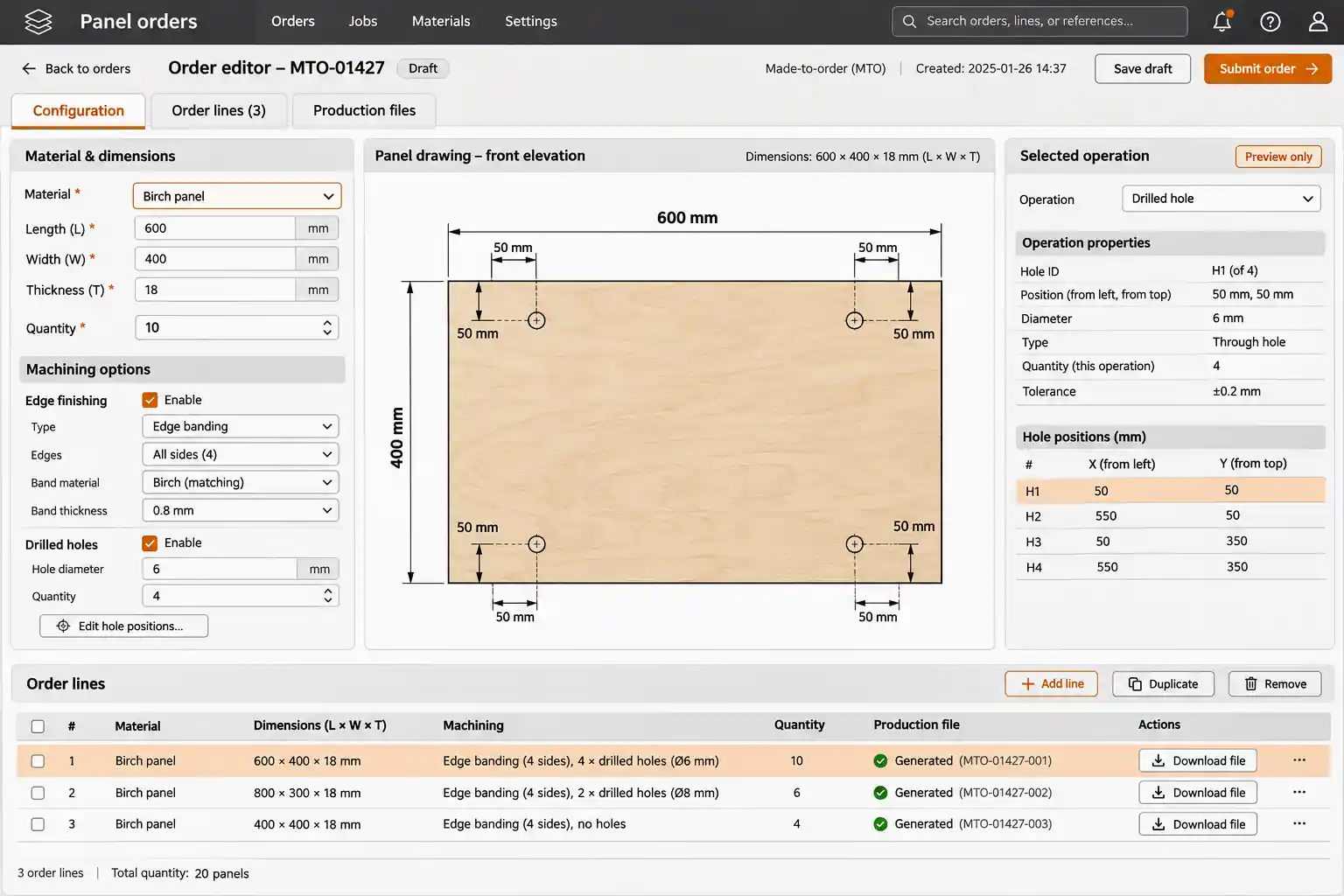
The panel geometry, measurements, operations, and file states are fictional. This concept interface contains no executable machining instructions or proprietary machine format. View full-size interface (new tab)
The operating challenge
The difficult boundary sat between the order record and the file a machine could recognize. Customer choices described the desired panel; production needed dimensions and processing information represented in the required output. The software had to bridge those two views of the same job.
Requirements also had to be developed with a nontechnical customer contact. That made the visible interaction especially useful: screens and previews could make the intended workflow concrete before the team committed to the final implementation. The project began with requirements analysis and page design before application development.
The delivery decisions
The online workflow brought panel selection, dimensions, and processing options into the order. A preview helped the customer see the requested result, giving the conversation a shared reference before those details moved to production.
The application generated processing files from the order data so the factory could receive production dimensions in a usable digital form. File generation was part of the delivery scope, rather than leaving staff to reinterpret an online request as a separate offline job.
The team developed the application from the reviewed page designs, using a PHP and Vue foundation with database and messaging components. Delivery included development, design, and testing, followed by a smaller maintenance team after handoff.
The working detail
A dimension or processing choice should not need to be explained again merely because the job has moved from sales to production. The delivered workflow connected online configuration with the data and files used at that boundary.
The project account describes less need for offline explanation once customers could specify the work online. It does not provide a measured reduction in setup time or a machining-accuracy benchmark. The case therefore focuses on the implemented handoff, without attributing toolpath optimization or automated production planning to the system.
The delivered result
Customers could select material, dimensions, and processing online.
Order data could generate files recognized by numerical-control equipment.
The delivered application continued into a smaller support arrangement.
The verified outcome is the connected ordering and file-generation capability. No throughput, yield, or machining-precision improvement is asserted.
Case taxonomy
Discuss your project
Tell us how your business works and where your software needs to change.
Get in touch
Tell us what you need to build, modernize, automate, or augment with AI. We can start with a focused discussion or a no-risk 1-week trial.

“A fantastic company to work with.” After the initial rapid development project, American Shipping Co. kept two Shinetech developers embedded for nearly four years, supporting internal and external tools and new AI initiatives.
 CEO, American Shipping Co. - 5-star Google Review