Connected project scope
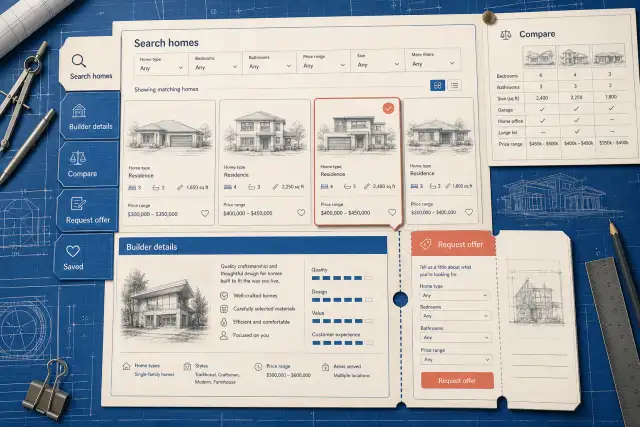
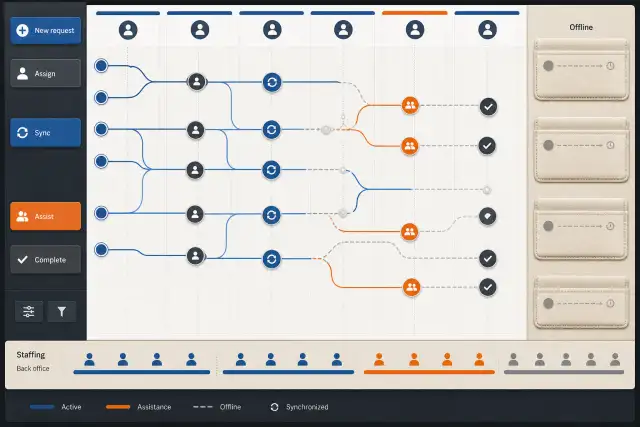
Specifications, pricing, documents, and subcontractor work were supported within the same platform.


Construction & Field Services · Residential project management
A residential construction platform brought specifications, pricing, documents, and subcontractor work into a role-aware project workflow, with incremental delivery into a running system.
The business context
A residential project brings together staff managing the build, a customer making selections, and subcontractors carrying out assigned work. A specification has implications for pricing, documents, scheduling, and the job a trade receives. Each participant needs the relevant part of that project context.
Working through a software delivery partner, Shinetech helped develop and extend a platform for this environment. The end-user business was residential construction; the direct client provided software services. That distinction shaped an engagement that combined business-domain learning with continuing technical responsibility.
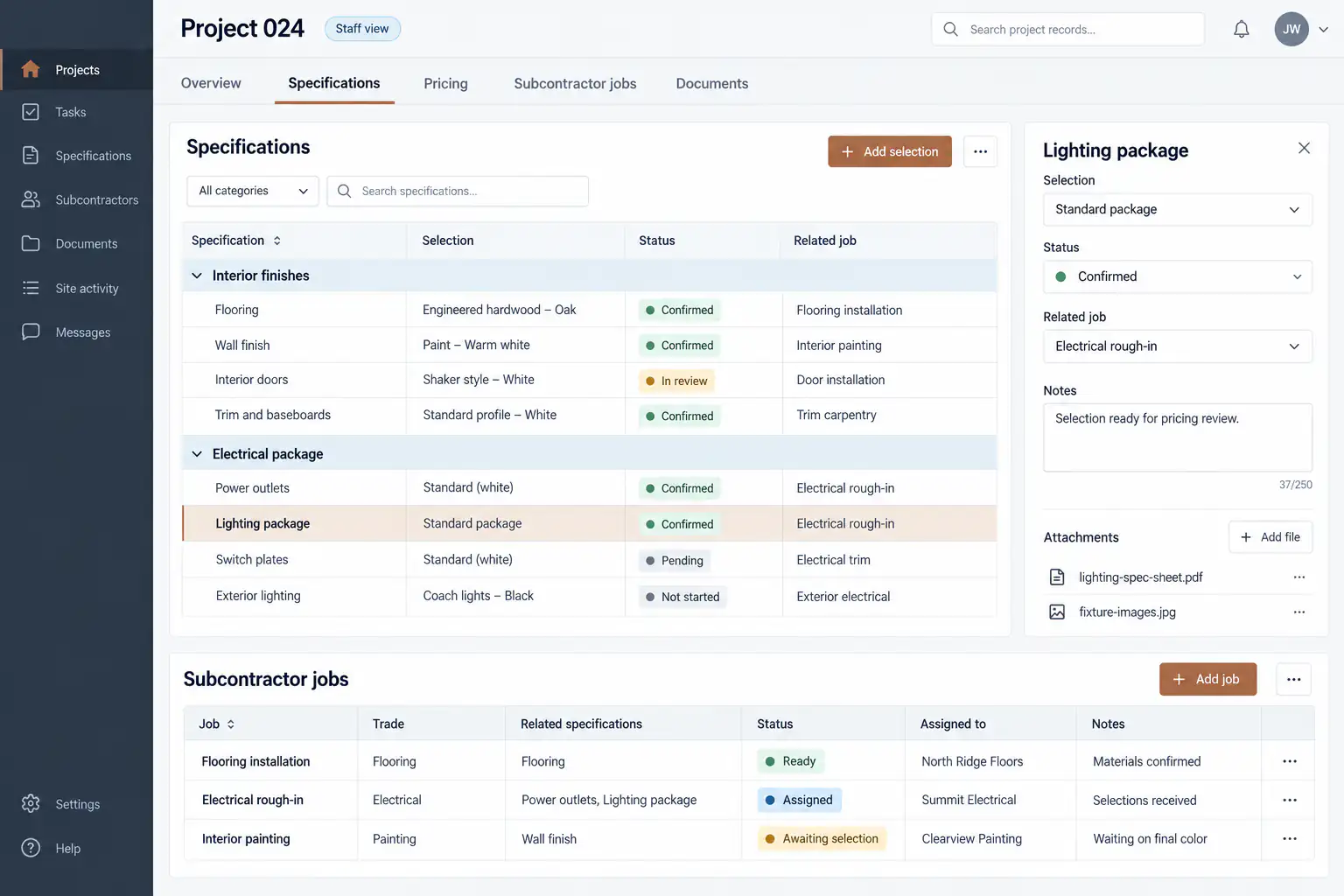
A fictional project illustrates the relationship between selections, pricing review, and trade work. Names, records, and workflow states are invented; this is not a client project or an exact reproduction of its interface. View full-size interface (new tab)
The operating challenge
Builds, specifications, quotes, pricing, electrical packages, and subcontractor jobs formed related workflows. Staff, customers, and trades needed different views and operations within them. A generic task list would not capture those relationships or the permissions around them.
The technical responsibility also changed over the engagement. The client’s technical lead helped establish data structures and review early work; Shinetech later took on broader responsibility for development and releases. New modules still had to fit a production application that people continued to use.
The delivery decisions
The initial work defined authentication, permissions, and Firebase data structures, then built the core project, specification, quote, and document workflows. That foundation gave subsequent capabilities a common operating context.
Pricing, electrical packages, subcontractor jobs, CRM, schedules, reporting, and tender or expression-of-interest functions were added incrementally. The modules reflected different stages and responsibilities in a residential project rather than treating every activity as an interchangeable task.
Separate test and production environments supported branch-triggered deployment. Hosting, database, functions, and data migrations were handled as parts of a release, helping the team maintain compatibility as the running platform changed.
How the workflow holds together
Power BI used a dedicated reporting database populated through scheduled synchronization. That created a structured source for business reporting alongside the Firebase-based application used for day-to-day project activity.
The long-term delivery model also mattered. As technical ownership shifted, the team had to retain the relationships between modules and permissions while continuing to add features. Regular incremental releases allowed the product to grow around the operating business, rather than requiring a replacement of the whole platform to support each new process.
The delivered result
Specifications, pricing, documents, and subcontractor work were supported within the same platform.
Staff, customers, and subcontractors had differentiated access to relevant data and actions.
The production system remained in use while the team maintained it and delivered additional capabilities.
The platform is still used in production, with ongoing cooperation and incremental feature releases.
Case taxonomy
Discuss your project
Tell us how your business works and where your software needs to change.
Get in touch
Tell us what you need to build, modernize, automate, or augment with AI. We can start with a focused discussion or a no-risk 1-week trial.
“A fantastic company to work with.” After the initial rapid development project, American Shipping Co. kept two Shinetech developers embedded for nearly four years, supporting internal and external tools and new AI initiatives.
 CEO, American Shipping Co. - 5-star Google Review