


Partnership
Why business leaders partner with Shinetech
Companies partner with Shinetech when they need software that creates business value, engineers who understand their industry, and a stable technology partner that reduces management overhead instead of adding to it.
Software That Creates Business Value
Systems built around efficiency, growth, and measurable outcomes.
We focus on software that improves how your business operates, sells, serves customers, or controls cost. Every build starts with a clear business reason, so the result is not just working software, but software that supports revenue, margin, productivity, or customer experience.
- Features tied to business goals, not just technical requirements
- Practical improvements to operations, customer experience, or cost control
- Delivery decisions made with ROI and long-term maintainability in mind
“The quality of the work was excellent… Shinetech recognizes and goes the extra mile. It was a cost-effective way to control the value of the skill sets.”

Industry-Aware Engineers Who Understand Your Business
Engineers who understand your workflows, rules, and operating constraints.
Your Shinetech engineers understand your industry context, workflows, business rules, users, and operating constraints before they write code. That helps them challenge weak requirements, propose better options, and build software that fits how your business actually runs.
- Requirements reviewed for business intent, not just ticket scope
- Domain rules and workflow knowledge carried across releases
- Engineers flag better options when a request creates avoidable risk
“Shinetech has supported the successful delivery of a wide range of requirements including E-commerce systems, tablet-based point of sale, and quality assurance for financial products.”

Less Management Overhead for Your Team
A partner that helps you move forward without adding more work to your plate.
Hiring a technology partner should not create another management burden. Shinetech teams integrate into your process, communicate clearly, own delivery responsibilities, and reduce the time your internal team spends explaining, chasing, or reworking.
- Clear communication and predictable delivery rhythm
- Fewer repeated explanations as system knowledge accumulates
- More time for your team to focus on customers, growth, and operations
“Quick responses to requests and strong work ethic are appreciated. Good communication is essential to outcome-focused IT development, and in this the Shinetech developers excel.”

Practical AI Applied to Real Business Use Cases
AI and automation applied where they can improve real workflows.
We watch where AI and automation can create practical value for your business. Instead of waiting for every requirement to come from you, we identify useful opportunities, explain the tradeoffs, and help apply AI where it can improve real workflows, decisions, and customer experience.
- Practical AI and automation ideas tied to business use cases
- Proactive recommendations when a better technical path exists
- AI applied with clear quality, cost, and security guardrails
“What has been a very pleasant surprise is their ability to offer really good advice and product suggestions that we may never have thought of.”

Secure, Stable, Long-Term Partnership
Protected IP, safe data handling, and continuity from a team that stays.
Companies need confidence that their code, data, customer information, and business knowledge are protected. Shinetech supports long-term partnerships with stable teams, secure delivery practices, and continuity that reduces handoff risk over time.
- IP, data, and business information handled with clear security practices
- Stable teams that preserve product and system knowledge
- Long-term collaboration designed to reduce risk, rework, and hidden cost
“AccountAbility has worked with Shinetech in a very effective relationship continuously since 2007. Shinetech delivers a consistently high standard of work.”

What we do
Where Shinetech helps improve the systems your business depends on
Bring Shinetech in when you need to build, modernize, or connect business systems such as ERP, CRM, E-commerce platforms, customer portals, workflow tools, integrations, or AI-supported automation.
Build Custom Business Systems
Design and ship E-commerce platforms, customer portals, internal workflow tools, SaaS products, mobile apps, and other software around your users, operations, and revenue model.
Learn more →Modernize ERP, CRM, and Legacy Systems
Improve ERP, CRM, integrations, reporting, and data workflows while protecting the business rules that keep operations running.
Learn more →Turn AI Into Working Business Tools
Connect knowledge bases, automation, recommendations, and AI-assisted workflows to your real data, systems, and approval processes.
Learn more →Add Dedicated Engineers to Your Team
Extend your roadmap with long-term developers or specialist capacity, then evaluate fit through a focused 1-week trial.
Learn more →Enterprise AI agents, not demos
Put AI agents to work inside your business systems
Shinetech helps companies move from AI experiments to secure, governed AI applications. We orchestrate agents, models, and tools around existing systems such as Salesforce, ERP, CRM, data warehouses, and internal knowledge bases, then define standard operating procedures (SOPs), permissions, human approvals, and audit trails so AI can retrieve data, recommend actions, and trigger workflows while protecting sensitive information.
Explore AI services
Industries
Software experience in regulated and operationally complex industries
From healthcare and finance to logistics and manufacturing, our teams focus on the workflows, compliance needs, integrations, and uptime expectations behind each system.
 HealthcareBuild secure patient, provider, and operational workflows with attention to interoperability, privacy, and auditability.
 Finance & InsuranceModernize transaction, reporting, and customer systems while protecting business rules, audit trails, and regulatory workflows.
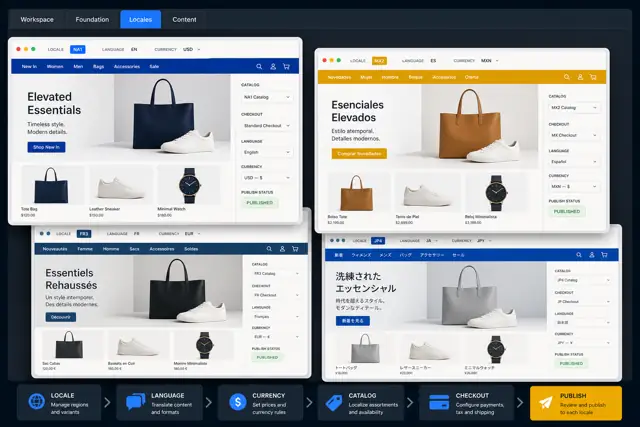
 E-commerce & RetailBuild storefront, order, inventory, and personalization systems that stay reliable during peak traffic.
 LogisticsConnect shipment visibility, warehouse workflows, ERP/WMS data, and customer portals into reliable operating tools.
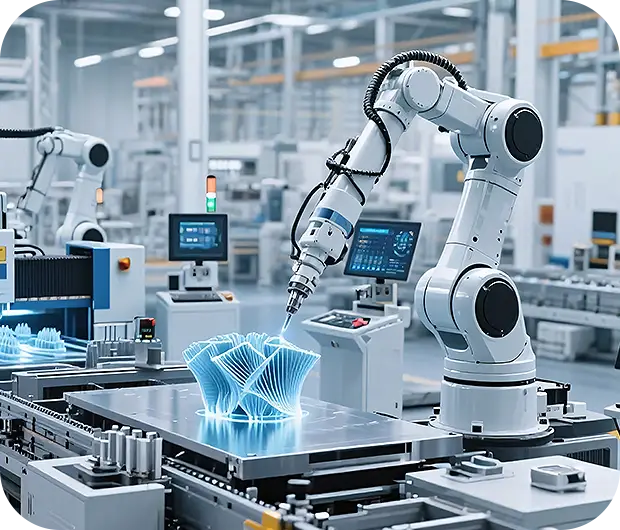 ManufacturingModernize production, inventory, IoT, and quality workflows without losing the logic inside legacy systems.
 EducationSoftware engineering for education and learning products—new modules or continuing product evolution.
 Real EstateImprove listing, CRM, transaction, and property operations platforms for faster decisions and cleaner data.
 Energy & UtilitiesConnect monitoring, billing, field service, and smart-meter workflows into reliable operational views.
Client brands
Trusted by 2,000+ clients worldwide










Selected proof
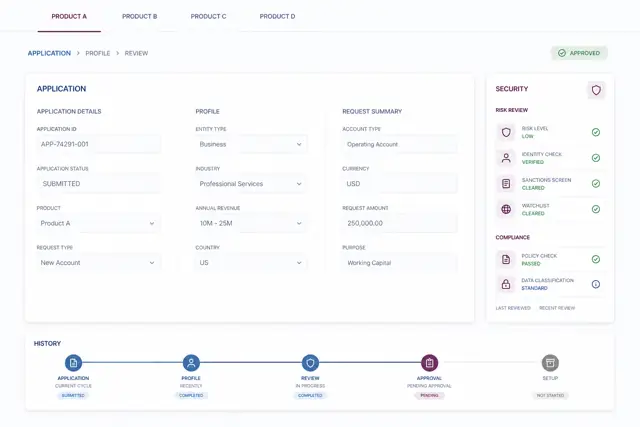
Client outcomes
Get in touch
Ready to build software that fits your business?
Tell us what you need to build, modernize, automate, or augment with AI. We can start with a focused discussion or a no-risk 1-week trial.

“A fantastic company to work with.” After the initial rapid development project, American Shipping Co. kept two Shinetech developers embedded for nearly four years, supporting internal and external tools and new AI initiatives.
 CEO, American Shipping Co. - 5-star Google Review
Awards & Certifications